

It didn’t make them any better as a people though, and other religions haven’t faired so great in the ‘be good to each other’ department either
I am not religious and I am not here to claim that religion has been a net good, but on the other hand many aspects of modern ethics and philosophy that are unarguably good came out of religious schools of thought, or perhaps to put it another way most of what we all accept as ethical and what we frequently point to as philosophical standpoints to begin difficult negotiation (i.e. “we can all agree human beings are all created equal even if we disagree on…”) has come out of or been heavily influenced by religion… which isn’t to argue that these ideas should have stayed confined within one particular religion’s school of thought but rather to point out the opposite.
No religion was the sole source for this logic and development of thought around human rights and the human condition and there is no reason to believe religion was a necessary precursor for these things to form, rather I mean to say our knowledge of these things came as a dawning awareness that the good aspects of disparate religions and ideologies could be connected and translated via shared universal statements of solidarity like “treat others as you want to be treated” and “tolerate your neighbor”. The details might not agree, but it is easy to do the math, draw the shared connections out and confidently say “yeah, they both pretty much think you should be a decent person and try to pursue happiness in a way that doesn’t hurt others”.
I am not saying religion isn’t dangerous however, and in particular I think religion becomes exceedingly dangerous when the followers of that religion become convinced the structures of their formal religious institutions are not inherently political the same way any power structure composed of humans unavoidably is… which is why the separation of church and state (and the associated freedom to practice or not practice whatever religion you so choose so long as it does not hurt others) in a free society is existentially necessary.



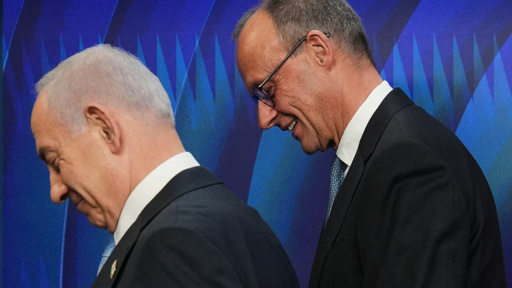




Trump doesn’t really bluff so much as waffle between committing and backing down because he is too cowardly to ever directly concede he has lost until the system he is contained within shatters apart.
People very dangerously misunderstand Trump when they think all he does is bluff, which isn’t to say that Trump isn’t a bullshitter and that Trump isn’t a bloviating idiot, but understand that what makes Trump so dangerous is that he is too cowardly to ever back down even when it makes no sense not to back down.